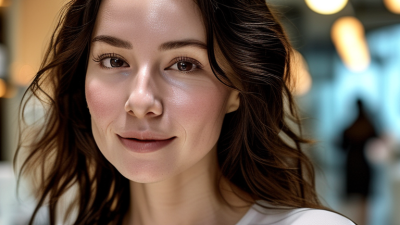
Beauty enhancement is no longer limited to dramatic makeovers or celebrity-inspired trends. It includes skincare, professional treatments, makeup, hair design, and carefully considered cosmetic procedures. The purpose is often personal: softer-looking skin, refreshed features, or greater confidence in a familiar face. A mirror may show fine lines around the eyes, uneven pigmentation, or tired-looking skin after a long workday. These details matter because appearance can influence how people feel, communicate, and participate in daily life.
Cosmetic dermatologist Dr. Michele Green expresses this idea clearly: “Beauty is about being comfortable in your own skin.” Her statement places comfort above perfection. That distinction matters. Beauty enhancement should support informed personal choices, not create pressure to match one narrow standard. Qualified professionals should explain realistic outcomes, possible risks, recovery time, and suitable alternatives. They should also review medical history and use evidence-based methods within applicable regulations.
The process is not always flawless. Results can differ between individuals, and even a skilled practitioner cannot promise complete symmetry. That uncertainty deserves honest discussion. A good consultation feels practical, not rushed. It may involve examining skin texture under bright light, discussing goals without judgment, and deciding that no treatment is necessary today. That can be a successful outcome.
Beauty enhancement matters when it respects identity, safety, and informed consent. It becomes more meaningful when confidence grows naturally, rather than through constant comparison. The best choice may be subtle. Sometimes, it is simply healthier skin and a clearer understanding of what feels right.
What Is Beauty Enhancement and Why Does It Matter?
Definition and Scope of Beauty Enhancement
Beauty enhancement refers to voluntary changes that support a person’s preferred appearance. It can include skincare, makeup, hairstyling, dental care, and professional cosmetic procedures. The scope is broad, but it should remain grounded in personal choice and realistic expectations.
In practice, enhancement often begins with small details. A person may notice uneven skin texture, dry lips, or a hairstyle that feels unsuitable. They might choose daily sun protection, gentle cleansing, or advice from a qualified practitioner. Non-invasive treatments may also be considered after discussing risks, recovery time, and possible results. Individual health history matters. So does informed consent.
Beauty enhancement is not the same as correcting a defect. It can express identity, confidence, culture, or changing preferences. However, appearance pressure can quietly influence decisions. Social media may make ordinary features seem unacceptable. That concern deserves more attention. I may be too cautious, but quick decisions often need a slower conversation.
Reliable guidance should come from trained professionals with appropriate credentials. A responsible consultation explains benefits, limitations, side effects, and aftercare. It should never promise identical results for everyone. Skin type, age, lifestyle, and medical conditions can affect outcomes. Even a simple treatment deserves careful evaluation. The best definition remains flexible, because beauty enhancement means different things to different people.
Beauty enhancement includes surgical procedures intended to alter or improve physical appearance. The chart shows selected cosmetic surgical procedures performed in the United States in 2023.
Liposuction and breast augmentation were among the most frequently reported cosmetic surgical procedures, illustrating the broad scope of beauty enhancement—from body contouring to facial and breast procedures. Source: American Society of Plastic Surgeons, 2023 National Plastic Surgery Statistics.
Beauty enhancement is not a new idea. Ancient Egyptians used oils, scented preparations, and eye pigments for appearance and ritual. In classical Greece and Rome, skin care reflected social status, health, and personal discipline. Some ingredients were unsafe, however. Historical beauty was never entirely harmless.
During the nineteenth century, industrial cosmetics became more available. Improved anesthesia and surgical techniques later expanded reconstructive and aesthetic procedures. By the late twentieth century, injectable treatments, laser devices, and non-surgical methods changed public expectations. The American Society of Plastic Surgeons reported 26.2 million cosmetic and reconstructive procedures in the United States during 2023. The International Society of Aesthetic Plastic Surgery recorded 34.9 million surgical and non-surgical aesthetic procedures worldwide in 2023. These figures show strong demand, but popularity does not prove safety or necessity. That distinction still deserves more attention.
Tips: Study the procedure’s history, evidence, risks, and expected recovery. Choose a properly qualified medical professional and request transparent consultation records. Ask how results were measured in clinical studies. Personal goals matter more than online trends. A filtered image cannot provide informed consent. Modern enhancement can support confidence, yet it may also reinforce narrow beauty standards. Responsible decisions require reflection, not urgency.
| Period | Region or Cultural Setting | Documented Enhancement Practices | Materials or Techniques | Social Meaning | Historical Significance |
|---|---|---|---|---|---|
| Prehistory and Early Settlements Before 3000 BCE |
Multiple communities across Africa, Asia, Europe, and the Near East | Body painting, ornamentation, hairstyle arrangement, scarification, and the use of beads or pendants | Mineral pigments, charcoal, ochre, shells, teeth, seeds, feathers, and carved stone | Identity, group belonging, ritual participation, status, and protection | Shows that appearance modification predates written records and often combined aesthetic, social, and spiritual purposes. |
| Ancient Egypt c. 3000–30 BCE |
Nile Valley societies | Eye outlining, skin oils, scented preparations, wigs, hair removal, jewelry, and manicured nails | Kohl-like eye cosmetics, mineral pigments, plant oils, resins, linen, gold, and colored glass | Hygiene, social rank, religious symbolism, protection from glare, and presentation of gender and status | Cosmetic containers and written and artistic evidence indicate that beauty practices were integrated into daily life, ritual, and elite display. |
| Classical Greece and Rome c. 800 BCE–476 CE |
Greek and Roman Mediterranean | Skin lightening, rouge, scented oils, hair styling, depilation, bathing, and dental or breath-care routines | Plant extracts, chalk or mineral powders, oils, perfumes, pumice, combs, and metal grooming tools | Refinement, class distinction, bodily discipline, and conformity to ideals of proportion and youth | Philosophical discussions and surviving texts reveal a continuing tension between natural appearance, deliberate enhancement, morality, and social expectations. |
| Ancient China c. 1600 BCE–220 CE |
Chinese court and urban communities | Hair arrangement, facial powders, painted eyebrows, nail coloring, perfume, and decorative dress | Rice-based powders, plant dyes, mineral colorants, aromatic substances, silk, combs, and hair ornaments | Courtly status, marital identity, age presentation, elegance, and ritual propriety | Beauty was shaped by both personal grooming and broader systems of etiquette, rank, family identity, and cultural symbolism. |
| Medieval Period c. 500–1500 CE |
Europe, the Middle East, Africa, and Asia | Hair covering or styling, bathing, fragrance use, henna decoration, jewelry, and selective skin or facial cosmetics | Herbs, flower waters, henna, oils, natural dyes, metal ornaments, veils, and handmade grooming tools | Religious observance, modesty, sensuality, social position, regional identity, and personal hygiene | Practices varied widely by religion, geography, and class, demonstrating that beauty standards are historically plural rather than universal. |
| Renaissance and Early Modern Era c. 1450–1750 |
European courts and expanding global trade networks | Pale face powders, rouge, elaborate hairstyles, wigs, fragrance, corsetry, and decorative skin marks | Powdered minerals, plant pigments, waxes, perfumes, fabric structures, hairpieces, and cosmetic pastes | Courtly identity, wealth, leisure, sexual presentation, and visible participation in elite culture | Portraiture, print culture, and trade increased the circulation of beauty ideals while some ingredients created serious health risks. |
| Industrial and Victorian Era c. 1750–1900 |
Industrializing Europe and North America | Toiletry routines, hair treatments, facial powders, hair removal, dental care, fashionable clothing, and organized fitness | Mass-produced soaps, combs, brushes, synthetic dyes, packaged powders, metal tools, and printed beauty guides | Respectability, domestic discipline, class mobility, gender norms, and the growing importance of public appearance | Industrial manufacturing and print advertising made enhancement products more accessible and helped standardize consumer beauty routines. |
| Early to Mid-20th Century c. 1900–1960 |
Urban societies influenced by cinema, photography, and mass media | Makeup application, permanent waving, manicures, tanning or complexion alteration, structured hairstyles, and early cosmetic surgery | Cream cosmetics, chemical hair treatments, electrical devices, photography techniques, and surgical procedures | Modernity, professionalism, youthfulness, glamour, and adaptation to increasingly visual workplaces and media | Mass media transformed beauty from a primarily local practice into a highly visible and widely circulated cultural ideal. |
| Late 20th Century c. 1960–2000 |
Globalizing consumer societies | Hair coloring, cosmetic contact lenses, tanning, body piercing, tattoos, dermatological treatments, and elective surgery | Synthetic pigments, lasers, injectable materials, medical devices, photography, and increasingly specialized procedures | Self-expression, subcultural identity, individual choice, professional advantage, and resistance to conventional norms | Beauty enhancement became more technologically diverse while debates expanded around safety, consent, cultural appropriation, and body autonomy. |
| 21st Century 2000–Present |
Digitally connected and culturally diverse societies | Skincare routines, non-surgical procedures, cosmetic surgery, body modification, digital filters, virtual appearance editing, and personalized styling | Injectables, energy-based devices, advanced imaging, mobile applications, algorithmic editing, and evidence-based cosmetic formulations | Well-being, confidence, identity, employability, online self-presentation, inclusion, and personal agency | Current practice combines medical, cosmetic, cultural, and digital tools, making informed consent, realistic expectations, regulation, and mental well-being especially important. |
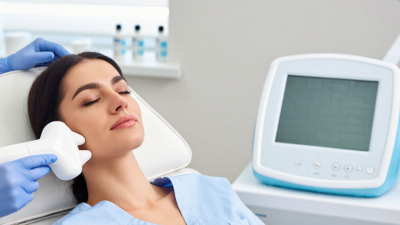
Beauty enhancement includes professional and personal methods that change, support, or maintain visible features. Common options include skincare, chemical peels, laser treatments, radiofrequency, ultrasound, and injectable procedures. Surgical methods remain available, but many people prefer shorter recovery times. These choices can affect confidence, skin texture, facial balance, and perceived age.
The International Society of Aesthetic Plastic Surgery reported 34.9 million surgical and nonsurgical procedures worldwide in its 2023 Global Survey. Nonsurgical treatments accounted for about 19.1 million procedures. Botulinum toxin and hyaluronic acid injections were among the most requested options. These figures show strong demand, but they do not prove that every treatment is suitable or effective for every person.
Technology now supports more controlled treatment planning. Three-dimensional imaging can help visualize possible changes, while energy-based devices target pigment, vessels, or collagen production. Results still depend on skin type, medical history, treatment settings, and practitioner skill. A qualified clinician should explain expected benefits, possible complications, recovery time, and alternative options. The U.S. Food and Drug Administration also emphasizes that authorized use does not guarantee identical results for every patient. Evidence can be limited. Marketing can sound more certain than science. A careful consultation should include realistic photographs, informed consent, and time for questions. Even small improvements may carry financial, emotional, or physical costs. Beauty goals deserve honest discussion, not pressure.
What Is Beauty Enhancement and Why Does It Matter?
Beauty enhancement includes skincare, styling, fitness, and professional aesthetic treatments. Its meaning changes across families, cultures, age groups, and social settings. For some people, it supports confidence before a job interview or celebration. For others, it reflects cultural identity, personal creativity, or a wish to feel more comfortable in photographs.
Psychological factors deserve careful attention. A small change may improve self-expression, but appearance alone cannot repair deep distress. Social media can make edited faces seem ordinary, even when they are carefully filtered. Cultural standards also shift, sometimes excluding natural features or older faces. Qualified practitioners should explain realistic outcomes, possible risks, recovery time, and alternatives. Personal experience matters, but it should not replace professional advice or informed consent. I have noticed that people often describe enhancement as “self-care,” yet that label can hide pressure from partners, workplaces, or online audiences.
Tips: Ask what feeling you want to support, not only what feature you want to change. Compare several trustworthy sources. Check practitioner credentials and request clear aftercare instructions. Avoid decisions during intense emotional stress. Give yourself time to reconsider. Beauty is personal. It is also socially shaped. A useful question is: “Would I still choose this without outside approval?” There may be no perfect answer, and that uncertainty deserves respect.
What Is Beauty Enhancement and Why Does It Matter?
Beauty enhancement includes skincare, dental correction, injectables, and surgical procedures that change or emphasize appearance. Its benefits can be practical and emotional. A person may feel more comfortable in photographs, reduce discomfort from a physical feature, or regain confidence after illness. Yet outcomes vary. A qualified practitioner should explain expected results, recovery time, alternatives, and evidence rather than promise perfection. Small details matter, such as bruising, swelling, sun sensitivity, or several days away from work.
Risks include infection, allergic reactions, scarring, uneven results, and disappointment. Some effects may last longer than expected. The ethical question is not simply, “Can this be changed?” It is also, “Why do I feel I must change it?” Social media can quietly turn preference into pressure. Informed consent requires time, clear costs, realistic images, and freedom to refuse. Privacy deserves attention too, especially when clinics request photographs or personal health information. This decision is rarely perfectly rational. Insecurity can speak loudly, and experts can still disagree.
Tips: Choose a licensed professional with relevant training. Ask about risks, aftercare, and emergency support. Request unedited before-and-after images. Avoid decisions during emotional distress. Give yourself a cooling-off period. A written plan helps. If advice feels rushed, seek another qualified opinion.