What is Non Surgical Aesthetics and How Does It Work?
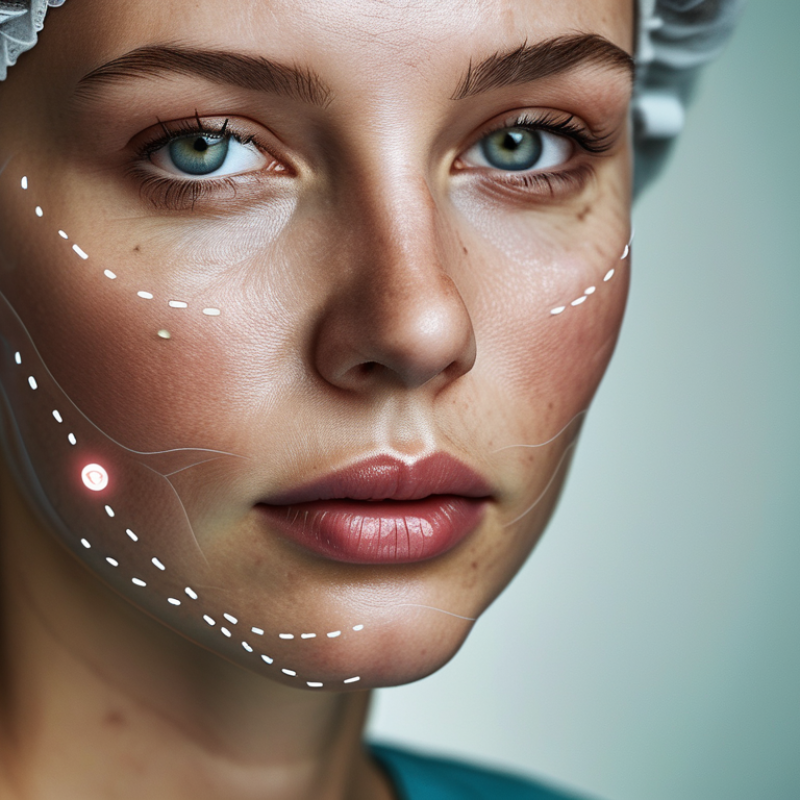
In recent years, non surgical aesthetics has gained immense popularity. This field focuses on beauty treatments that do not require invasive procedures. According to Dr. Emily Johnson, a renowned expert in non surgical aesthetics, "The future of beauty is non-invasive."
Patients are looking for solutions that provide results without the downtime of surgery. Treatments like dermal fillers, Botox, and laser therapies are common. They enhance features and boost confidence without significant recovery time. However, it's important to approach these treatments with caution.
Potential risks and results can vary widely between individuals. Misunderstandings about the expected outcomes can lead to dissatisfaction. The industry continues to evolve, but ongoing education and consultation with professionals are crucial for achieving desired results. With the right guidance, non surgical aesthetics can be a rewarding journey.
Understanding Non-Surgical Aesthetics: An Overview
Non-surgical aesthetics encompasses a range of cosmetic procedures designed to enhance appearance without invasive surgery. This field includes treatments like dermal fillers, Botox, and laser therapy. According to a report by the American Society of Plastic Surgeons, non-invasive procedures have surged, with over 15 million treatments performed in the U.S. in 2022 alone. This trend highlights a growing preference for less downtime and minimal recovery.
Techniques used in non-surgical aesthetics often involve injectable substances and energy-based devices. Injectables, as reported by the International Society of Aesthetic Plastic Surgery, have seen a 5.7% increase in usage over the last year. However, despite their popularity, inconsistencies in results can lead to dissatisfaction. Patients may have expectations that exceed the results achievable through these methods.
Moreover, not all practitioners are equally skilled. Some clinics may lack proper oversight, leading to varied outcomes. Research underscores the importance of choosing qualified professionals for these procedures. Patient education is crucial, as individuals should understand the potential risks and benefits. The field offers remarkable advancements, yet personal experiences can vary significantly. Therefore, thorough research is essential before pursuing treatments in this evolving area of aesthetics.
Common Non-Surgical Aesthetic Procedures and Their Benefits
Non-surgical aesthetics has gained popularity due to its ability to enhance appearance without surgery. Common procedures include Botox, fillers, and chemical peels.
Botox reduces wrinkles by relaxing facial muscles. Fillers add volume and contour to areas like cheeks and lips. Chemical peels improve skin texture and tone, revealing a brighter complexion.
Many individuals seek these treatments for their minimal recovery time. Results are often visible quickly, which is appealing. However, the effects are temporary, requiring repeat treatments.
This can become time-consuming and costly over time. It's vital to consult with a qualified professional to ensure safety and achieve desired results.
While non-surgical options are attractive, they may not be suitable for everyone. Some people might experience side effects, such as swelling or bruising.
It's essential to discuss your medical history and aesthetic goals with your practitioner.
Understanding both the benefits and risks can lead to better-informed decisions. Ultimately, these treatments should be viewed as part of a broader approach to personal care and self-image.
How Do Non-Surgical Treatments Work? The Science Behind Them
Non-surgical aesthetics encompasses various cosmetic procedures that enhance appearance without invasive surgery. Treatments like Botox, dermal fillers, and chemical peels have gained popularity. A study by the American Society of Plastic Surgeons reported that minimally invasive procedures increased by 200% between 2000 and 2020. This surge reflects a shift towards less downtime and faster results.
The science behind these treatments is fascinating. For example, Botox works by temporarily blocking nerve signals in the muscles. This reduces fine lines and wrinkles. Dermal fillers, on the other hand, restore volume by injecting substances like hyaluronic acid under the skin. This creates a plumper appearance. Research shows that 75% of patients see improvement within two weeks of treatment. However, not all results meet expectations. Individual responses can vary widely.
While non-surgical options are appealing, it’s essential to consider potential risks. Side effects can include bruising or allergic reactions. Less than 10% of patients report dissatisfaction, but the psychological impact can be significant. Such outcomes highlight the importance of realistic expectations and thorough consultations with trained professionals before engaging in these treatments.
What is Non Surgical Aesthetics and How Does It Work?
| Treatment Type |
Description |
Duration |
Results Duration |
Recovery Time |
| Botox Injections |
Used to relax muscles and reduce wrinkles. |
15-30 minutes |
3-6 months |
Minimal downtime |
| Dermal Fillers |
Add volume and fullness to the skin. |
30-60 minutes |
6-18 months |
1-2 days |
| Chemical Peels |
Improve skin texture and tone. |
30-45 minutes |
Depending on peel type, 3-6 months |
1-2 weeks |
| Microneedling |
Stimulates collagen production for skin rejuvenation. |
30-60 minutes |
3-6 months |
1-2 days |
| Laser Skin Resurfacing |
Removes layers of skin to reduce imperfections. |
30-90 minutes |
1-3 years |
1-2 weeks |
Safety and Side Effects of Non-Surgical Aesthetic Procedures
Non-surgical aesthetics has gained popularity for its ability to enhance appearance without invasive procedures. However, it is essential to understand the safety and potential side effects associated with these treatments. Procedures like fillers and Botox are relatively quick and minimally painful. Nonetheless, they can lead to bruising, swelling, or allergic reactions, which some people may underestimate.
When considering these procedures, a thorough consultation with a qualified professional is crucial. This ensures that individual health factors are taken into account. Miscommunication about desired outcomes can lead to dissatisfaction. Some clients report that their results did not meet expectations or lasted for a shorter time than anticipated.
Aftercare is vital for minimizing side effects. Following post-treatment instructions can significantly improve recovery. Patients should also be aware that not all reactions are immediate. Sometimes, issues may arise weeks later. It’s essential to have open communication with the practitioner to address any unexpected results or concerns.
Choosing the Right Non-Surgical Option for Your Aesthetic Goals
Choosing the right non-surgical option for your aesthetic goals is crucial. With various treatments available, it's important to understand each one. Popular choices include dermal fillers, Botox, and chemical peels. These treatments can enhance your appearance without the need for invasive procedures.
Consulting a qualified professional will help tailor a plan to fit your needs. They will assess your skin type, facial structure, and desired outcomes. It's not always easy to make the best choice. Some treatments provide subtle results, while others can be dramatic. A thorough discussion about potential risks and benefits is essential.
Be prepared for an evolving journey. Understand that your goals may change over time. Additionally, what works for one person might not work for another. Keeping an open mind is vital as you navigate your options. Regular follow-ups with your provider can ensure you stay on track. Ultimately, your comfort and satisfaction should guide your decisions.