What Are the Best Facial Treatments in China?
China’s facial treatments market is expanding across beauty clinics, dermatology practices, and premium spas. Consumers increasingly want visible results, safer protocols, and shorter recovery times. However, “best” depends on skin type, treatment goals, budget, and medical history.
Euromonitor International’s Beauty and Personal Care in China report highlights stronger demand for efficacy-led products and professional beauty services. The 2023 ISAPS Global Survey also identifies China as a major market for non-surgical aesthetic procedures. These findings suggest growing interest in technologies such as chemical peels, hydrafacials, LED therapy, laser resurfacing, and injectable treatments. Yet market categories often overlap. A salon facial is not equivalent to a dermatologist-led procedure. That distinction matters.
Dr. Howard Murad, a dermatologist and skincare researcher, famously said, “Healthy skin is a reflection of overall wellness.” His view supports a broader evaluation of facial treatments. Effective care should consider barrier health, sun exposure, hydration, acne, pigmentation, and long-term maintenance. Evidence matters more than dramatic advertising. So does practitioner training.
This guide compares popular facial treatments in China through safety, clinical evidence, cost, downtime, and suitability. It also considers details that affect real experiences, such as consultation quality, sterile equipment, sunscreen advice, and follow-up care. Some treatments may produce impressive results under controlled conditions. They may disappoint elsewhere. No single option wins for everyone.
Readers should treat market statistics carefully because reports use different definitions and survey methods. A thoughtful choice may feel slower. It may also be safer.
Understanding Facial Treatment Options in China
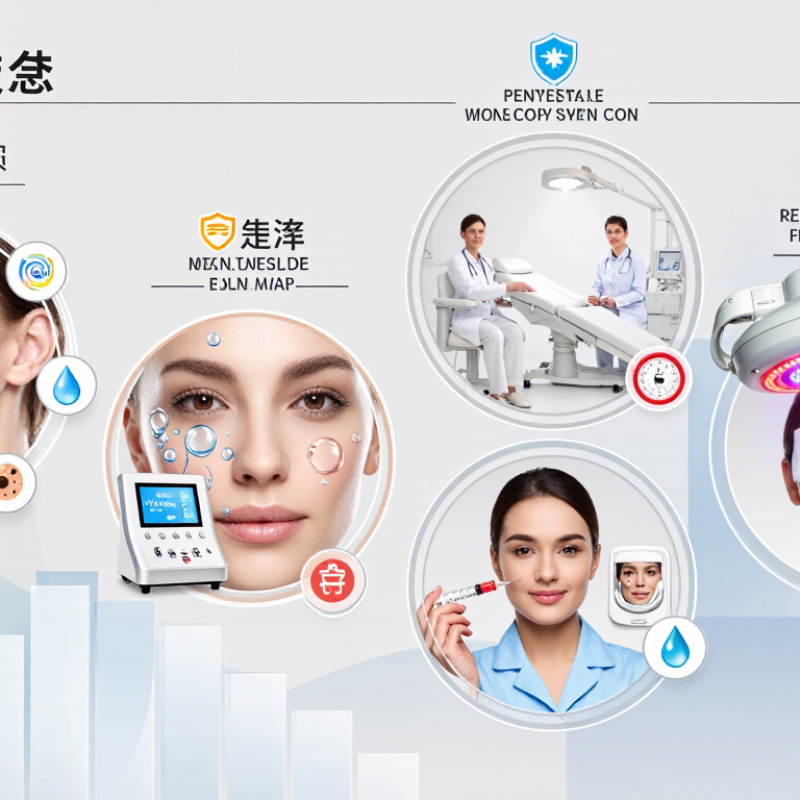
China offers a wide range of facial treatments, from gentle hydration sessions to medically supervised procedures. The best choice depends on your skin condition, budget, recovery time, and treatment goals. A reputable clinic should begin with a consultation, not a sales pitch. Staff may examine oil levels, sensitivity, pigmentation, and active breakouts before recommending anything.
Hydrating facials can help dry or tired-looking skin with cleansing, moisture masks, and light massage. Chemical peels target uneven texture, dullness, and some pigmentation, but they require careful strength selection. LED therapy is usually calming and involves little downtime. Microdermabrasion may smooth rough areas, although sensitive skin can react badly. For deeper concerns, a qualified medical professional might discuss laser-based procedures or injections. These options need clearer risk explanations and professional assessment.
Ask whether the practitioner holds suitable medical credentials and whether the facility follows local health regulations. Request ingredient lists, patch testing, sterile equipment, and written aftercare instructions. Avoid treatment if staff dismiss allergies or promise permanent results. No facial treatment works perfectly. I once assumed stronger treatments would produce faster improvement, but irritation delayed progress instead. Skin often responds better to gradual care, sunscreen, and realistic expectations. Recovery can also vary with climate, stress, and daily skincare habits.
| Treatment Option | Primary Skin Concerns | How It Works | Typical Downtime | Common Course | Key Considerations |
|---|---|---|---|---|---|
| Professional Facial Cleansing | Surface congestion Dullness Dehydration | Uses cleansing, gentle exfoliation, and moisturising steps to remove surface impurities and improve temporary skin smoothness. | None to 1 day of mild redness | Every 4–8 weeks, depending on skin type and goals | Suitable for many skin types when performed gently. It does not permanently reduce acne scars, pigmentation, or wrinkles. |
| Hydradermabrasion or Water-Based Facial | Dryness Mild congestion Uneven texture | Combines cleansing, controlled exfoliation, and topical hydration delivered through a specialised facial device. | Usually none; mild temporary redness is possible | Often repeated every 4–6 weeks | Results are generally temporary. People with active inflammatory skin conditions should seek professional advice before treatment. |
| Chemical Peel | Acne Post-acne marks Uneven tone Fine lines | Applies a carefully selected chemical solution to remove part of the outer skin layer and stimulate renewal. | None to 7 days, depending on peel depth; peeling and redness may occur | Commonly 3–6 sessions spaced several weeks apart | Peel strength must be selected by a qualified professional, especially for darker or pigment-prone skin. Daily sunscreen is essential. |
| Microdermabrasion | Rough texture Mild dullness Superficial marks | Uses controlled mechanical exfoliation to remove superficial dead skin cells and smooth the skin surface. | Usually none to 2 days of redness or sensitivity | Often performed as a series of 4–6 treatments | It is less suitable for active acne, fragile skin, rosacea flares, or open wounds. Improvement is usually gradual and modest. |
| Microneedling | Atrophic acne scars Uneven texture Fine lines | Creates controlled microscopic punctures that stimulate the skin’s wound-healing response and collagen production. | About 1–3 days of redness; longer in some individuals | Usually 3–6 sessions spaced approximately 4–6 weeks apart | Should be performed with sterile equipment by a trained professional. It is not recommended over active infection or uncontrolled inflammatory acne. |
| Fractional Laser Resurfacing | Acne scars Sun damage Wrinkles Texture | Delivers laser energy in fractional patterns to stimulate collagen and remodel selected areas of the skin. | Approximately 3–10 days, depending on laser type and intensity | Often 1–4 sessions with several weeks or months between treatments | There is a risk of prolonged redness, infection, scarring, or post-inflammatory hyperpigmentation. Careful assessment is important for Asian skin tones. |
| Non-Ablative Laser or Light-Based Treatment | Mild pigmentation Redness Fine lines Uneven tone | Uses light or laser energy to target pigment, blood vessels, or dermal structures without removing the entire skin surface. | Usually none to 3 days; temporary redness or swelling may occur | Commonly 3–6 sessions, depending on the indication | Outcomes vary by device, diagnosis, and skin type. Pigment can worsen if treatment settings or sun protection are inadequate. |
| Intense Pulsed Light (IPL) | Sun spots Facial redness Uneven complexion | Uses broad-spectrum pulses of light to target selected pigment and superficial vascular changes. | Usually 1–7 days; treated spots may temporarily darken | Often 3–5 treatments spaced about 4 weeks apart | It is not a conventional laser and may not suit every skin tone. A professional consultation and strict sun avoidance are important. |
| Radiofrequency Skin Tightening | Mild laxity Fine lines Skin firmness | Uses controlled radiofrequency energy to heat deeper tissue and encourage gradual collagen remodelling. | Usually none; temporary warmth or redness may occur | May require 3–6 sessions or periodic maintenance | Results are gradual and generally subtle. It is not a substitute for surgical lifting, and treatment should be avoided over certain implanted electronic devices. |
| Ultrasound-Based Tightening | Mild to moderate laxity Jawline definition Neck laxity | Uses focused ultrasound energy at selected tissue depths to promote tightening and collagen remodelling. | Usually none; tenderness or swelling may last several days | Often one treatment followed by assessment over several months | Results develop gradually and vary considerably. Accurate treatment depth and anatomical knowledge are essential for safety. |
| Botulinum Toxin Injections | Dynamic lines Forehead lines Crow’s feet | Temporarily reduces targeted muscle activity, softening expression-related lines. | Usually none to 2 days of minor swelling or bruising | Effects commonly last about 3–4 months | Must be administered by a licensed medical professional. Possible complications include asymmetry, eyelid drooping, headache, or unwanted muscle weakness. |
| Dermal Fillers | Loss of facial volume Nasolabial folds Lips Contour concerns | Injectable gel materials are placed beneath the skin to restore volume or alter selected facial contours. | About 2–14 days of swelling or bruising, depending on the area | Often one treatment; longevity varies by material and location | Rare but serious vascular complications can occur. Treatment requires a qualified injector, appropriate product selection, and informed consent. |
Related Posts
-
2026 Top Youthful Appearance Products for Global Buyers
-
What is Non Surgical Aesthetics and How Does It Work?
-

Discover Top Beauty and Wellness Trends from China Market?
-
Top 10 Wellness Treatments You Need to Know About?
-
How to Choose the Best Skin Tightening Machine?
-
2026 Best Medical Spa Treatments for a Rejuvenated You?