A healthy glow often begins with comfortable, well-cared-for skin, not a dramatic change overnight. Facial treatments can help address concerns such as dryness, dullness, uneven texture, or clogged pores. The best choice depends on your skin, your goals, and how much recovery time you can manage. A calm facial before an event may feel very different from a peel that leaves skin temporarily pink. Small details matter.
This guide introduces ten popular options, including hydrating facials, gentle exfoliation, chemical peels, microdermabrasion, and LED treatments. Each works differently, and none suits everyone. Skin sensitivity, active irritation, medications, and past reactions can affect which options are appropriate. Results also vary; one session may feel refreshing without creating a lasting change. That is worth remembering.
Before booking, ask what products and devices will be used, who will perform the treatment, and what aftercare involves. A qualified skincare professional should explain likely benefits, possible irritation, and expected downtime in plain language. Share your skin history, and speak with a dermatologist if you have a persistent or unexplained concern. This is not the most exciting part, perhaps, but it can prevent avoidable surprises. The sections ahead compare practical details so you can choose with clearer expectations, rather than chasing a glow that may not suit your skin.
Choosing a facial starts with your skin’s current condition, not a trend. For tight, flaky skin, consider a gentle hydrating treatment with minimal fragrance and no aggressive scrubbing. If clogged pores are your concern, ask about mild exfoliation and careful extractions. Redness, burning, or active breakouts call for a gentler approach. A facial should not leave your skin sore for days.
The American Academy of Dermatology estimates acne affects up to 50 million Americans each year. That scale matters. If acne is persistent, a spa facial alone may not address its causes; consult a board-certified dermatologist about treatment options. For uneven tone or rough texture, a professionally selected chemical peel may help, but strength and recovery time should match your skin. People prone to post-inflammatory dark marks should discuss that risk before treatment.
Tell the provider about allergies, medications, recent procedures, and past reactions. Ask what each step does, and request a patch test when products are unfamiliar. It is tempting to choose the strongest treatment for faster results. Usually, that is not the wisest starting point. Skin changes, and even a familiar facial can feel different during a flare. A cautious first appointment may seem underwhelming, but it gives you useful information.
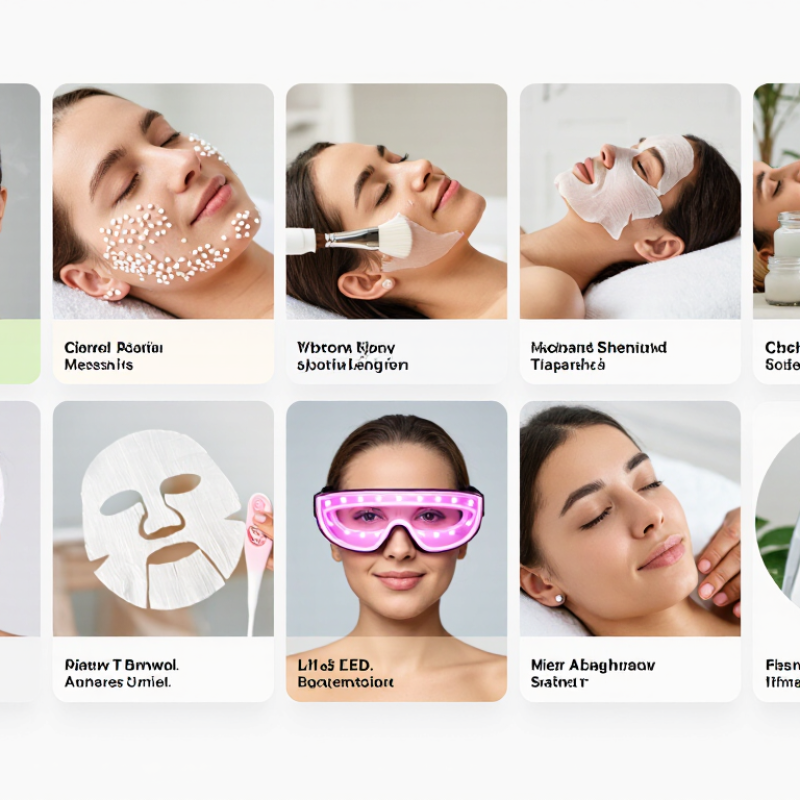
Deep-cleansing, enzyme, microdermabrasion, and lymphatic drainage facials can support brighter-looking skin in different ways. A deep-cleansing treatment often includes warm steam, careful extractions, and a soothing mask. It may suit congested skin, but extractions can leave temporary redness. Clean does not have to mean stripped.
Enzyme facials use ingredients such as papaya or pumpkin enzymes to loosen dead surface cells. Microdermabrasion gently buffs the outer layer, so it may feel too intense for sensitive or irritated skin. Lymphatic drainage uses light, rhythmic strokes around the face and neck. Some people notice less puffiness afterward, though results are usually temporary. A facial should not sting sharply or leave lasting discomfort. Skin varies, and a popular treatment is not automatically the right one.
Tips: Tell your esthetician about sensitivities, medications, and recent skin treatments before booking. Ask how strong the exfoliation will be. Afterward, keep your routine gentle, moisturize, and use sunscreen. Go gently. If redness or irritation persists, pause active products and seek professional advice. I sometimes expect one visit to fix dullness; that is not realistic. Regular care and patience matter more.
Hydrating, oxygen, and LED facials can support a brighter-looking complexion, but they work in different ways. A hydrating facial often combines gentle cleansing, light exfoliation, and moisture-rich products such as glycerin or hyaluronic acid. Afterward, skin may feel softer and look less dull, especially if dryness has made fine lines more noticeable. Ask what products and steps are involved if your skin is sensitive. Comfort matters.
Oxygen facials use a stream of oxygen, often alongside topical serums. The refreshing sensation can be pleasant, though evidence for lasting benefits is limited. A temporary glow may come from hydration, massage, or reduced surface dryness rather than oxygen itself. Not always dramatic. A careful provider should explain realistic results and avoid promising permanent changes.
LED facials use specific light wavelengths, commonly red or blue, and typically require repeated sessions for visible changes. The right approach depends on your skin and goals; people with light sensitivity or certain medical conditions should seek professional guidance first. Protective eyewear is important during treatment. After any facial, notice how your skin responds over the next day, not just under bright clinic lights. Mild redness can happen, but persistent irritation deserves attention. A treatment menu can sound convincing; your skin’s actual response is the more useful measure.
Chemical peels, microneedling, and radiofrequency treatments aim to refresh skin in different ways. A chemical peel uses a controlled solution to loosen dull surface cells. The depth matters: stronger peels may require more recovery and carry greater risks, including irritation or pigment changes. Microneedling creates tiny, planned punctures that prompt a repair response. It may help soften the look of uneven texture, but results build gradually. Radiofrequency microneedling combines needles with heat beneath the skin’s surface. It is not simply “better” microneedling, and it may not suit every skin type or concern. More intensity is not automatically better.
Choosing can feel confusing. There is no perfect ranking for every face. A qualified medical professional should assess your skin, health history, and goals before recommending a treatment. Ask about expected redness, downtime, infection prevention, and who will perform the procedure. Mention a history of cold sores, scarring, or pigment changes. These details can affect planning. Results vary, and glowing skin is never guaranteed.
Tips: Avoid scheduling a procedure right before an important event. Follow your provider’s aftercare instructions, protect treated skin from sun, and pause irritating products when advised. If pain, swelling, or redness worsens, contact the treating professional. Don’t rush to repeat a session; give your skin time to recover.
Appointment times are approximate typical ranges represented by a single estimate; actual duration varies with the treatment area, provider, and protocol. Treatment choice should be guided by individual skin needs and a qualified professional.
A good facial starts before you reach the treatment room. For several days beforehand, avoid trying new exfoliants or strong at-home peels; irritated skin can react unpredictably. Arrive with a clean face if convenient, but do not scrub it raw. Tell your licensed skin-care professional about allergies, prescriptions, recent procedures, cold sores, and any history of sensitivity. Ask what the treatment includes and whether it suits your skin today. A quick patch test may be sensible for unfamiliar products. Keep it simple.
The International Spa Association’s 2024 U.S. Spa Industry Study reported 182 million spa visits in 2023, showing how widely people use these services—not that every facial suits everyone. After treatment, follow the provider’s aftercare instructions, especially if you had extractions, exfoliation, or a peel. Use a gentle cleanser, plain moisturizer, and broad-spectrum SPF 30 or higher; avoid heat, intense exercise, and active ingredients for the period your provider recommends. Don’t pick at redness or flaky areas. That matters. Results vary, and more steps do not always mean better skin. I’d be cautious about promising a lasting “glow”: hydration can look temporary, and irritation may take longer to settle. If burning, swelling, or worsening pain persists, contact a qualified health professional.
The right treatment depends on your skin type, concerns, health history, and tolerance for downtime. Ask a qualified skin-care professional to tailor the treatment and schedule to you.
| Treatment | What It May Help With | How to Prepare | Aftercare and Maintaining Results | Typical Timing and Downtime |
|---|---|---|---|---|
| Classic hydrating facial | Dryness, temporary dullness, and a refreshed appearance through cleansing, moisturizing, and other products selected for your skin. | Arrive with clean skin if possible. Tell the provider about allergies, sensitivities, skin conditions, and products or medicines you use. | Use a gentle cleanser and moisturizer, and apply broad-spectrum sunscreen. Follow the provider’s advice before restarting strong exfoliants. | Often repeated every 4–6 weeks if desired. Usually little to no downtime; mild temporary redness can occur. |
| Superficial chemical peel | Uneven tone, rough texture, and some types of mild discoloration or acne, depending on the peel and individual skin. | Discuss your skin history and medicines. A clinician may ask you to pause retinoids or exfoliating products and avoid tanning before treatment. | Keep skin moisturized, do not pick peeling skin, and use broad-spectrum sunscreen. Restart active products only when advised. | Peel strength and schedule vary; superficial peels may be repeated after several weeks. Redness, dryness, or flaking may last a few days. |
| Microdermabrasion | Surface roughness and a temporarily brighter-looking complexion by gently exfoliating the outermost skin layer. | Tell the provider about recent procedures, active irritation, cold sores, or skin conditions. Avoid sunburn and follow any instructions about exfoliating products. | Use a gentle moisturizer and sunscreen. Avoid additional scrubs or strong exfoliants until the skin feels comfortable. | Some people choose treatments several weeks apart. Mild redness or sensitivity may occur, usually with little downtime. |
| Dermaplaning | Removes surface dead skin cells and fine facial hair, which can make skin feel smoother and makeup apply more evenly. | Discuss active acne, skin irritation, and recent use of prescription skin products. Avoid treatment over inflamed or broken skin. | Use gentle products and sunscreen; avoid harsh exfoliation until advised. Hair removal does not make hair grow back thicker. | Often scheduled about every 3–4 weeks if appropriate. Temporary redness or sensitivity is possible. |
| LED light treatment | Red or blue light may be used as an adjunct for selected concerns, such as signs of aging or acne. Results vary and are not guaranteed. | Report eye conditions, light sensitivity, and medicines that may increase sensitivity to light. Use the eye protection provided. | Follow the provider’s instructions and continue a consistent skin-care routine with sunscreen. Do not rely on LED treatment instead of prescribed acne care. | Usually involves a series of sessions, with frequency set by the provider. It generally has little to no downtime. |
| Microneedling | May improve the appearance of certain acne scars, uneven texture, and fine lines by creating controlled micro-injuries in the skin. | Have a qualified clinician assess your skin. Discuss medicines, cold-sore history, infection risk, and any tendency to scar; avoid tanning and follow instructions about active products. | Follow the clinic’s wound-care instructions, avoid picking, and protect treated skin from the sun. Resume active ingredients only when cleared. | Sessions are commonly spaced several weeks apart. Redness and sensitivity may last a few days; recovery depends on treatment depth. |
| Intense pulsed light (IPL) treatment | May target selected pigment or visible redness. It is a light-based procedure, and suitability depends on skin tone and the concern being treated. | Consult a trained clinician, avoid tanning, and disclose medicines and skin-care products. The provider may recommend a test spot or other precautions. | Protect skin from sunlight and use sunscreen. Follow instructions if treated spots temporarily darken or the skin becomes red or sensitive. | Often performed as a series spaced several weeks apart. Temporary redness or pigment darkening can occur; skin tone and device settings affect risk. |
| Non-ablative fractional laser | May address selected concerns such as texture, fine lines, and some types of scarring by treating small areas of skin while leaving surrounding skin intact. | Arrange a medical consultation. Avoid tanning and disclose medicines, skin conditions, and cold-sore history; follow any pre-treatment plan provided. | Use the recommended gentle aftercare and sun protection. Avoid picking or irritating the skin while it heals, and attend follow-up appointments. | Several sessions may be recommended, usually weeks apart. Redness, swelling, or a rough feel can persist for several days. |
| Acne-focused facial with professional extractions | May help clear suitable surface-level clogged pores. It is not a cure for acne, and inflamed or cystic acne may need medical treatment instead. | Tell the provider about acne medicines and skin sensitivity. Avoid extractions over painful, inflamed, or broken areas unless a clinician advises otherwise. | Avoid squeezing blemishes at home. Use non-irritating skin products and follow a clinician’s acne plan; seek medical advice for persistent or severe acne. | Timing depends on skin response and the overall acne plan. Temporary redness can occur; aggressive extractions may irritate or mark skin. |
| Facial massage or gentle lymphatic-style massage | May provide temporary relaxation and reduce the appearance of puffiness for some people; it does not permanently reshape the face or treat underlying medical conditions. | Tell the provider about recent procedures, skin irritation, or relevant medical conditions. Ask whether massage is appropriate if you have swelling or a health concern. | Keep the routine gentle and use a suitable moisturizer or massage product. Stop if you experience pain, irritation, or worsening swelling. | Can be done occasionally or as part of a facial. Usually no downtime, though results such as reduced puffiness are temporary. |
Note: Treatment benefits, risks, recovery, and suitable intervals vary from person to person. Seek professional medical advice for persistent skin concerns, and use broad-spectrum sunscreen as part of everyday skin care.